Course formerly known as Global Affairs: Exploring Changing Political Systems
Rice University Precollege Program — International Relations: Dynamics of Global Political Change
How do governments around the world differ? How are civil liberties and political rights protected globally? In this sought-after course, you’ll learn to think critically about the differences between democracies, semi-democracies, and authoritarian regimes. Plus, you'll explore how democratic institutions and guardrails can safeguard political systems, using data on each country’s economic, cultural, and political science profiles.
Program Dates
Multi-length courses available throughout the year
Eligibility
For students ages 13 and up
Fees
$1,795
Explore How Global Change Shapes the World
Discover the Major Types of Governments Around the World
Identify various types of governments using existing data and global examples. Analyze and compare democratic, semi-democratic, and authoritarian models.
Analyze the Forces Driving Global Political Shifts
Learn about the guardrails that protect democracies and the different forms of political transitions. Understand the dynamics of civil liberties and political rights as you evaluate various case studies.
Building and Protecting Democratic Systems
Explain the factors that lead democracies to transition to semi-democracy. Examine competitive authoritarianism and illiberal democracy concepts as they relate to political rights and civil liberties.
Understanding Shifts in Political Freedoms Worldwide
Investigate the key factors that cause established democratic systems to shift and change. Analyze real-world case studies to understand the global dynamics that impact political rights and civil liberties.
What Happens When Democracy Is Challenged
Identify the key democratic institutions and guardrails protecting democracy in various countries. Define the role of checks and balances, public opinion, and civil society in a democracy.
Consider College Majors and Careers in Global Affairs
This course offers insights into the types of careers for those with a degree in global affairs, such as diplomatic service officer, journalist, government social researcher, public affairs consultant, and policy officer.
How You Will Benefit
- Analyze the core characteristics of democratic, semi-democratic, and authoritarian systems and the factors that drive their evolution.
- Explain the guardrails within democratic systems and how they hold up in various countries
- Be able to discuss examples of human rights violations in countries with more authoritarian regimes.
- Know how to compare government censorship of social media in different countries.
- Become familiar with the many careers in the field of international relations.
- Earn a Certificate of Completion from Rice University.

Three Learning Advantages Designed for You
Capstone Project
Using Freedom House Data, you will do a comparative project based on two countries.
You’ll:
- Review the timeline from when they were similar in their level of democracy
- Document the decline of one country and the consolidation of the other
- Describe what happened in the country where the decline of democracy occurred
- Explain the reasons democracy survived in the other country
Mentoring
You’ll receive guidance from a mentor who can support you and deepen your learning experience. You can expect:
- Encouragement and direction on all assignments.
- Inspiration, motivation, and confidence to help you excel in your studies.
- Brainstorming and ideation to help you prepare for your capstone project.
Flexible Learning
- 100% online learning that works with your schedule.
- Flexible format: you’ll learn through video lectures that allow you to tune in anytime that works for you.
- 20-30 hours of total instruction and course work,
- Tech-forward interactions, including engaging multimedia, real-life simulations, and curated assignments.
- Guidance and support from mentors.
Apply Now for the Next Available Course
All course options have the same educational content, learning materials, and number of assignments. We are offering a condensed version of the course in order to accommodate students’ individual schedules.
Hear from Rice University

Course Designed by Rice University Faculty
Mark Jones
Professor, Department of Political Science
Mark Jones is a professor in the Department of Political Science, the James A. Baker III Institute for Public Policy’s Political Science Fellow, and the faculty director of the Master of Global Affairs Program, as well as the Joseph D. Jamail Chair in Latin American Studies. Jones's research focuses on the effect of electoral laws and other political institutions on governance, representation, public policy, and voting.
Meet Your Mentors
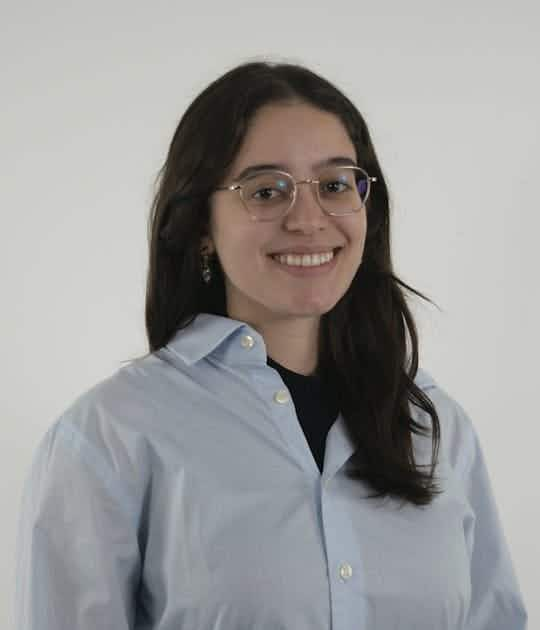
Luisa
Holds a Bachelor of Arts degree from Rice University in Political Science. Plans to pursue a master's degree in Global Affairs.

Dylan
Holds a Bachelor of Arts in Political Science with a minor in Politics, Law, and Social Thought from Rice University.

Want to Know More?
Sign up for more information and we’ll be in touch.
Frequently Asked Questions
How will you be graded? What are assignments like? How much time do you have to turn around a project? When do you find out if you’re admitted? Find answers to your questions here.
Scholarships
We offer need-based scholarships for participating students who exhibit high potential and an inability to pay the full tuition.
- If you haven’t applied to the program, apply here. After submitting your application, click “Apply for a need-based scholarship” on the confirmation page to request a scholarship.
- If you’ve already applied to the program, sign in to your profile to check your scholarship status. If we don’t have a scholarship request on file, click “Apply for a need-based scholarship” to request a scholarship.